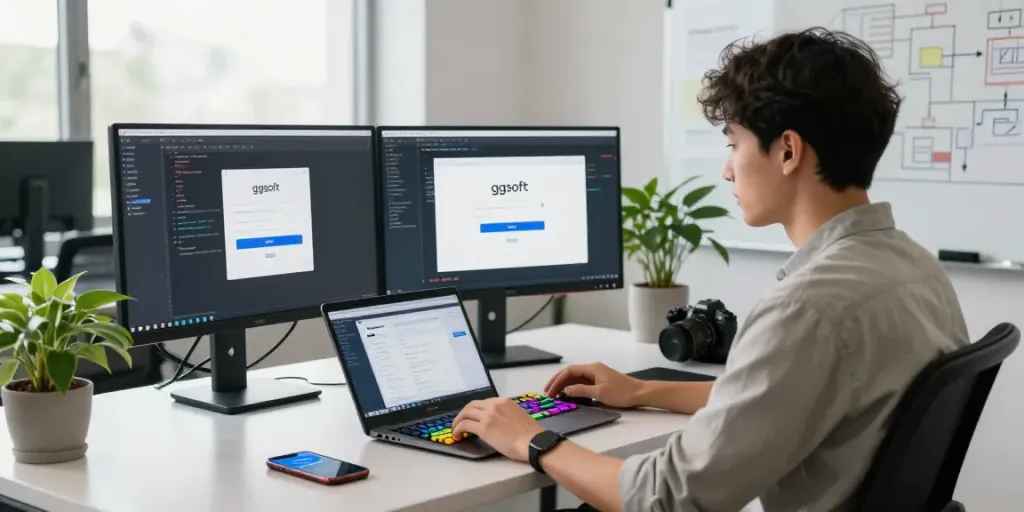
The Importance of ggsoft login Interfaces in Software Development
In today's digital landscape, the significance of login interfaces cannot be overstated. The ggsoft login process serves as the primary gateway for users, making it essential for software developers to focus on creating intuitive and secure login systems. As the first point of interaction between users and applications, an effective login interface not only enhances user experience but also establishes trust and security.
Understanding User Experience Design
User experience (UX) design plays a pivotal role in developing effective login interfaces. A well-designed login process takes into account the user's journey, ensuring that it is simple, efficient, and user-friendly. For instance, incorporating visual cues such as highlighted fields and error messages can guide users through the process, reducing frustration and enhancing satisfaction. Studies show that a 75% of users form judgments about a brand based on their initial interaction, underscoring the importance of an effective login experience.
Common Challenges in Login Systems
Despite the emphasis on design, many login systems face common challenges. These include:
- Complex Password Requirements: Users often struggle to remember complex passwords, leading to frequent resets and potential account lockouts.
- Vulnerability to Attacks: Cybersecurity threats like phishing attacks remain a significant concern, highlighting the need for robust security measures.
- User Frustration: Lengthy, complicated login processes can deter users and lead to abandonment of services.
Best Practices for Creating Secure Login Interfaces
To overcome these challenges, developers should adhere to best practices in login interface design, including:
- Simplicity: Aim for a minimalist design that focuses on the essentials required for the login process.
- Error Messaging: Provide clear, constructive error messages to guide users in correcting mistakes.
- Accessibility: Ensure that the login interface is accessible to users with disabilities, including screen reader compatibility.
Enhancing Security Measures in ggsoft login Systems
As digital threats evolve, enhancing security measures in login systems becomes paramount. Implementing advanced security protocols can protect user data and maintain the integrity of applications.
Two-Factor Authentication and Its Benefits
Two-factor authentication (2FA) is one of the most effective ways to bolster security. By requiring a second form of verification—like a text message or authentication app—users are protected against potential breaches even if their password is compromised. This additional layer of security has been shown to reduce unauthorized access by over 90%.
Addressing Common Security Risks
Developers must also address various security risks associated with login systems. Common vulnerabilities include:
- Weak Passwords: Encourage users to create strong passwords and enforce password complexity requirements.
- Session Hijacking: Implement measures such as secure tokens and HTTPS to protect user sessions.
- Data Breaches: Regularly update software and perform security audits to identify and mitigate vulnerabilities.
Tools and Technologies for Securing Access
To effectively secure login systems, developers have access to a variety of tools and technologies, such as:
- Identity Management Solutions: Tools like Okta and Auth0 streamline user authentication and improve security management.
- Security Frameworks: Utilizing frameworks such as OAuth helps in implementing secure authentication processes.
- Encryption Technologies: Methods like SSL/TLS ensure that data transmitted during the login process is encrypted.
Optimizing ggsoft login for Improved User Engagement
Optimizing the login process is not just about security; it also significantly impacts user engagement. A seamless login experience can encourage user retention and increase satisfaction.
Designing Intuitive Navigation
Intuitive navigation is crucial for enhancing user engagement. Features such as autofill options for usernames and passwords, along with social login capabilities, can simplify the process. A user-friendly interface invites more users to engage with the platform, as they encounter fewer barriers during the login process.
Incorporating User Feedback Mechanisms
Adding mechanisms for user feedback can also improve the login system. Consider integrating tools that allow users to report issues or suggest enhancements. By actively listening to user concerns, developers can make informed improvements that align with user expectations.
Analyzing User Behavior for Continuous Improvement
Utilizing analytics tools to monitor user behavior during the login process can offer insights into potential pain points. Developers can identify drop-off rates and adjust the interface accordingly to enhance the overall experience continually.
Integrating ggsoft login with Modern Technologies
As technology evolves, so must login systems. Integrating modern technologies can not only enhance security but also improve user experience.
APIs and Third-Party Authentication
Integrating APIs and third-party authentication options, like Google or Facebook logins, can streamline the process significantly. These services allow users to log in quickly without the need for additional credentials, fostering an efficient user experience.
Mobile Compatibility and Responsive Design
With the rise of mobile usage, ensuring that the ggsoft login system is mobile-friendly is critical. Responsive design ensures that users can easily access their accounts from any device, increasing accessibility and convenience.
Leveraging Cloud Solutions for Scalability
Cloud technologies offer scalable solutions for handling user data and authentication. By leveraging cloud infrastructure, developers can accommodate increasing user loads without compromising performance.
Future Trends in Login Systems for 2026 and Beyond
The landscape of login systems is continuously changing. Staying ahead of emerging trends will be essential for developers aiming to provide superior user experiences.
Emerging Technologies Shaping User Authentication
Biometric authentication methods, such as fingerprint scanning and facial recognition, are becoming increasingly mainstream. These technologies not only provide enhanced security but also streamline the login process, making it quicker and more intuitive for users.
Predictions for Security and Usability Advances
Future login systems are likely to embrace decentralized authentication methods that prioritize user control over personal data. These systems could leverage blockchain technology to enhance security while providing users with greater privacy.
Adapting to Changes in User Behavior and Expectations
As user expectations evolve, developers must remain adaptable. Continuous research into user behaviors and preferences will be crucial in designing login interfaces that meet modern demands.
What are the common issues users face during ggsoft login?
Common issues include difficulties in password management, security questions that are hard to remember, and lack of clear error messaging during the login process.
How can I improve the security of my ggsoft login?
Implementing two-factor authentication, using HTTPS protocols, and regularly updating security measures can significantly improve the security of your login system.
What technologies are essential for a seamless login experience?
Key technologies include encryption protocols, identity management systems, and responsive design frameworks that ensure usability across devices.
What trends should developers watch for in login interfaces?
Developers should be on the lookout for advances in biometric authentication, decentralized identity management, and enhanced AI-driven security mechanisms.
How can user feedback enhance the ggsoft login process?
User feedback plays a vital role in refining the login process by providing insights into pain points, enabling developers to iterate and enhance functionalities based on actual user experiences.